Public safety is a crucial aspect of every community, ensuring that residents feel secure and protected. In South Carolina, crime reporting and access to arrest information play a significant role in maintaining law and order. Law enforcement agencies, legal entities, and residents rely on public crime data to stay informed about criminal activities and trends. This transparency aids in decision-making processes, fosters awareness, and encourages proactive measures to prevent crime.
Crime data collection in South Carolina is primarily handled by local police departments, sheriff’s offices, and state agencies. They record arrests, warrants, and convictions, making this information available to the public through various online platforms. Understanding how to access and interpret this data is essential for individuals seeking to stay updated on public safety matters.
How Arrest Records Are Maintained in South Carolina
Arrest records in South Carolina are maintained by multiple law enforcement agencies. These records document various details such as the nature of the offense, the individual’s personal details, case status, and court rulings. The primary agencies responsible for maintaining arrest records include:
- South Carolina Law Enforcement Division (SLED): This agency provides criminal background checks and maintains records of arrests statewide.
- County Sheriff’s Offices: Each county in South Carolina has its own sheriff’s office responsible for local crime data and arrest logs.
- Local Police Departments: Cities and municipalities maintain records of incidents and arrests within their jurisdiction.
The accessibility of these records is determined by South Carolina’s public records laws, ensuring transparency while protecting sensitive information.
The Role of Online Platforms in Providing Arrest Information
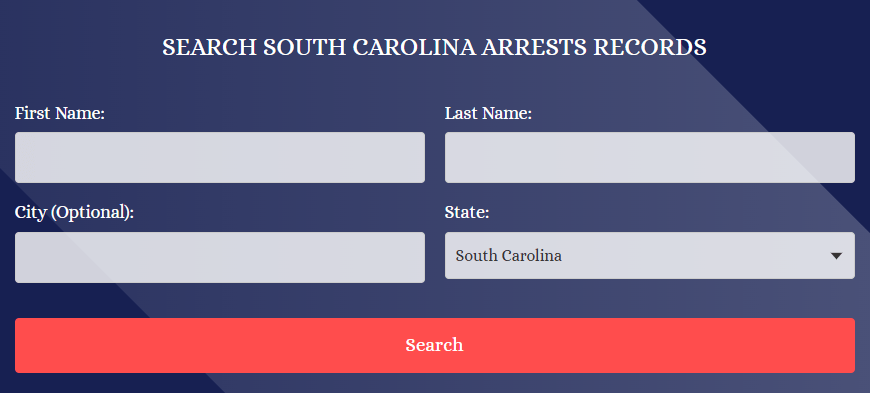
With the rise of digital platforms, accessing arrest records has become more convenient. Many online databases aggregate public records, offering users a streamlined way to find arrest information. These platforms gather data from official law enforcement sources, presenting them in an organized and searchable format. One such resource is Arrests.org SC, which compiles arrest records from various South Carolina jurisdictions, making it easier for the public to search for specific cases.
These online platforms serve multiple purposes:
- They help individuals check criminal backgrounds before employment or rental agreements.
- They provide families and communities with insights into local crime trends.
- They assist researchers and journalists in gathering crime statistics.
Why Access to Arrest Records Matters
Public access to arrest records is crucial for various stakeholders, including employers, legal professionals, and concerned citizens. Here’s why:
1. Employment Background Checks
Employers often conduct background checks to ensure workplace safety and compliance with legal requirements. Reviewing an individual’s arrest history helps employers make informed hiring decisions, mitigating potential risks associated with criminal behavior.
2. Community Awareness and Safety
Residents use crime data to stay informed about safety concerns in their neighborhoods. By knowing about recent arrests and criminal activities, communities can take proactive measures to enhance security.
3. Legal and Personal Protection
Legal professionals rely on arrest records to build cases, verify identities, and support investigations. Individuals may also use this information to protect themselves from fraud, scams, or personal threats.
Understanding Crime Trends in South Carolina
Crime statistics offer valuable insights into patterns and trends, helping law enforcement and policymakers develop effective crime prevention strategies. Some of the key crime categories in South Carolina include:
- Violent Crimes: Includes offenses such as homicide, assault, and robbery.
- Property Crimes: Covers burglary, theft, and vandalism.
- Drug-Related Offenses: Encompasses possession, trafficking, and distribution of controlled substances.
Analyzing these trends allows authorities to allocate resources efficiently and implement community programs aimed at reducing crime rates.
How Law Enforcement Uses Arrest Data for Crime Prevention
Law enforcement agencies leverage arrest records to identify repeat offenders, track criminal activity, and develop targeted crime-fighting initiatives. Some of the ways they use this data include:
- Crime Mapping: Geographic analysis of arrest patterns helps identify high-crime areas.
- Predictive Policing: Data-driven strategies assist officers in anticipating and preventing crimes.
- Community Outreach Programs: Engaging with communities based on crime data fosters trust and cooperation.
The Legal Aspects of Arrest Records in South Carolina
While public access to arrest records is permitted under South Carolina’s Freedom of Information Act (FOIA), there are legal limitations. Certain records may be restricted to protect sensitive personal details or ongoing investigations. Additionally, individuals who have had their charges dismissed or expunged may request the removal of their records from public databases.
Legal professionals often advise individuals on their rights regarding arrest records, ensuring compliance with state laws while maintaining personal privacy.
Using Arrests.org SC to Access Reliable Information
For individuals seeking accurate and up-to-date arrest records in South Carolina, Arrests.org SC is a valuable resource. This platform provides comprehensive data on recent arrests, ensuring transparency and accessibility for users. By utilizing such online tools, the public can stay informed about local crime trends and make educated decisions regarding safety and security.
FAQ’s
How can I find arrest records in South Carolina?
You can access arrest records in South Carolina through various sources, including local law enforcement agencies, county sheriff’s offices, and online platforms like Arrests.org SC. These records are publicly available under the South Carolina Freedom of Information Act (FOIA), though some may have legal restrictions.
2. Are arrest records in South Carolina public information?
Yes, arrest records are generally considered public records in South Carolina. However, certain cases, such as those involving juveniles or sealed court documents, may be restricted. Additionally, individuals who have had their records expunged can request their removal from public databases.
3. How often is the information on Arrests.org SC updated?
The information on Arrests.org SC is frequently updated, as it compiles data from various law enforcement agencies across the state. This ensures users have access to the most recent arrest records and crime-related updates.
4. Can an arrest record affect employment opportunities?
Yes, employers often conduct background checks that may include arrest records. While an arrest does not always indicate guilt, it can influence hiring decisions, particularly for jobs requiring security clearance or positions of trust. Expunging eligible records can help minimize the impact on future employment.
5. How can I get an incorrect arrest record corrected or removed?
If you find incorrect information on an arrest record, you should contact the relevant law enforcement agency or court handling the case. If the record is eligible for expungement, you can file a request with the South Carolina Law Enforcement Division (SLED) or seek legal assistance to remove it from public access.
 Arrests.org SC